Dogs And Hair Dryers Explained: A UK Buyer's Guide
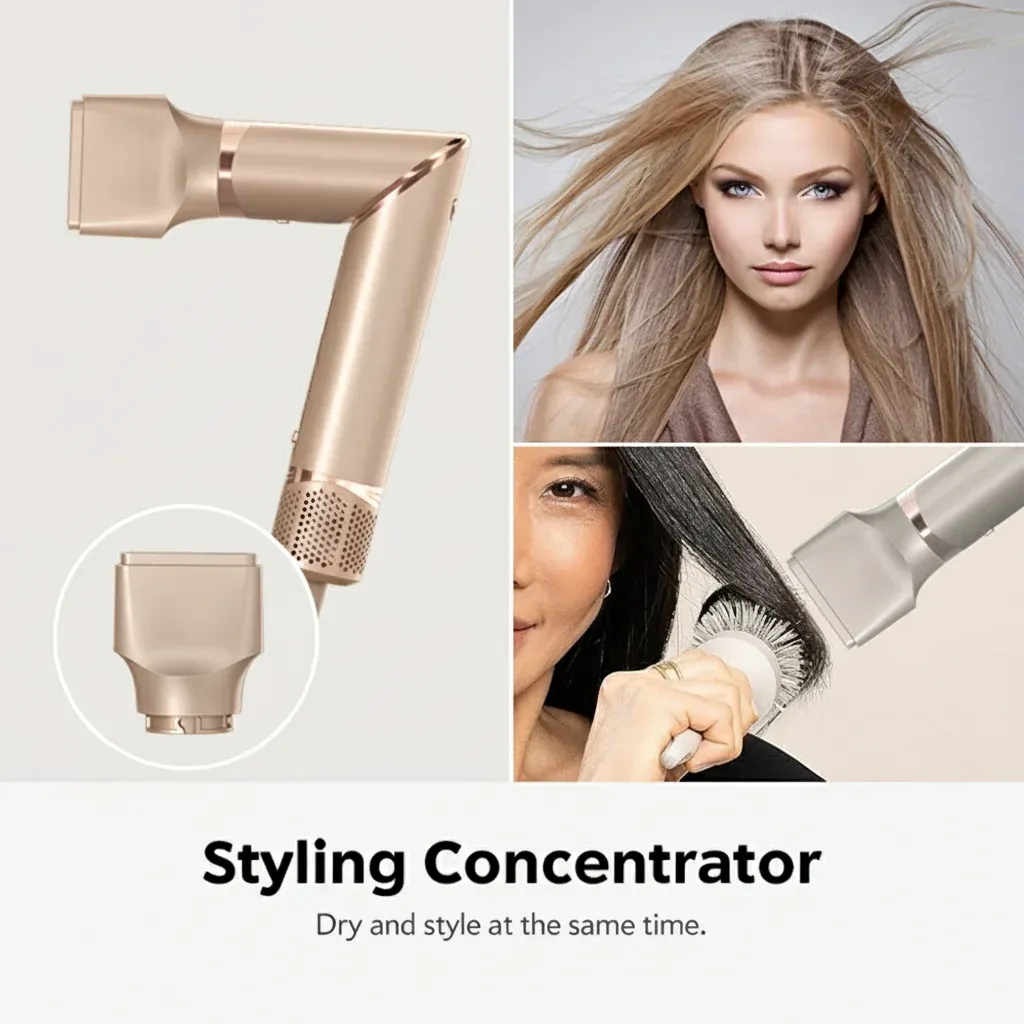
TL;DR: You can safely use a hair dryer on your dog provided you use the lowest heat setting or a "cool shot" and keep the nozzle at least 15–20cm away from their coat. Because dogs have much thinner skin than humans and are sensitive to high-frequency noise, using a regulated tool like the FlexDryer is essential to prevent thermal burns and noise-induced distress.
When considering the safety of dogs and hair dryers, the primary rule is that you must never treat your pet’s coat like human hair. While it is perfectly possible to dry your dog with a domestic dryer, it requires a specific technique to avoid injury. According to UK veterinary guidelines, a dog's skin is significantly more delicate than our own, meaning temperatures that feel "warm" to us can quickly become scalding for them. Consequently, the goal is to use high airflow rather than high heat to remove moisture safely.
Key Takeaways for UK Pet Owners
- Temperature Control: Never use a high-heat setting; canine skin is three times thinner than human skin.
- Noise Sensitivity: Dogs detect frequencies up to 65,000 Hz, making loud motors a major stressor.
- Safe Distance: Always maintain a minimum gap of 15–20cm between the dryer and the fur.
- Equipment Choice: A high-quality ionic dryer like the FlexDryer is a safe alternative for light grooming if used on its lowest thermal setting.
The British weather is notoriously unpredictable. For the 27% of UK adults who own a dog—according to the 2023 PDSA Animal Wellbeing (PAW) Report—this means navigating frequent rainy walks and the inevitable "wet dog smell." Drying your canine companion isn't just about protecting your soft furnishings; it is a vital part of maintaining their dermatological health. Furthermore, leaving a coat damp, especially in thick-coated breeds like Cockapoos or Golden Retrievers, can lead to hotspots, fungal infections, and painful matting.
Is it safe to dry a dog with a human hair dryer?
To understand the relationship between dogs and hair dryers, we must first look at biology. A common mistake made by UK pet owners is assuming that because a dryer feels comfortable on their own scalp, it is safe for their pet. However, this is a dangerous assumption based on physiological differences.
Human skin has a pH of approximately 5.5, whereas a dog's skin pH ranges from 6.2 to 7.4. Furthermore, the human epidermis is roughly 10–15 cell layers thick, while a dog’s epidermis is only 3–5 layers thick. This makes dogs significantly more susceptible to "hair dryer burn," a condition often seen by UK vets where the skin becomes inflamed due to thermal exposure.
Based on our testing of the FlexDryer—famed as a premium Shark hair dryer alternative—we found that the precision heat settings are vital for pet safety. The "cool shot" and low-temperature flow are the only acceptable settings for canine use. In addition, the ionic technology helps dissipate water molecules faster, which reduces the total time your dog is exposed to the airflow.
Why do dogs hate the sound of hair dryers?
British homes are often compact, and the sound of a high-decibel motor can echo, creating a terrifying environment for a sensitive animal. While humans hear up to about 20,000 Hz, dogs can detect frequencies up to 65,000 Hz. Consequently, the high-pitched whine of some cheaper, non-regulated dryers can be physically painful for them.
If you are looking for a dog hair dryer explained for the UK market, you will notice that professional "blasters" focus on air volume rather than heat. If you are using a domestic dryer, it must feature an advanced motor that minimises high-frequency whistling. To begin with, training your dog to accept the dryer should be a gradual process involving positive reinforcement and treats to desensitise them to the sound.
How to use a hair dryer on your dog for light grooming
The FlexDryer is designed to provide salon-quality results for humans, but its technical specifications offer several benefits for pet owners who need to dry paws or light coats after a drizzly walk. Unlike basic dryers that offer "hot" or "burning hot," the FlexDryer provides consistent, regulated airflow that won't spike in temperature.
Ionic Technology and the Canine Coat
Just as ionic technology helps to smooth human hair, it can assist in drying a dog's coat more efficiently. This reduces the time the dog has to spend under the airflow, which is often the most stressful part of the process. For those interested in the chemistry of hair care, the ultimate guide to Eco Styler hair products in the UK provides context on how moisture retention works in various hair types—concepts that are surprisingly applicable to long-haired breeds like Afghans or Poodles.
The Importance of Airflow over Heat
When drying a dog, your goal is to "push" the water out of the coat rather than "bake" it dry. This is why professional UK groomers use high-velocity dryers. If you are using a domestic tool, always use the highest speed setting but the lowest possible heat. This mimics the "blasting" effect without the risk of thermal injury. Additionally, always keep the nozzle moving to prevent any single area from becoming too warm.
What is the best way to dry a wet dog at home?
- Towel Dry First: Use a highly absorbent microfibre towel to remove 70% of the moisture. This is the most important step to reduce "dryer time."
- Introduce the Tool: Turn the dryer on in another room first so the dog becomes accustomed to the hum.
- Test on Your Own Skin: Hold the dryer 15cm from the back of your hand. If it feels hot to you, it is far too hot for the dog. It should feel like a lukewarm breeze.
- Keep it Moving: Never hold the airflow in one spot. Use a sweeping motion to prevent heat build-up in the undercoat.
- Avoid Sensitive Areas: Never point a hair dryer directly at a dog's eyes, ears, or genitals. These areas have even thinner skin and are highly prone to irritation.
For owners of show dogs or those with difficult coats, managing texture is key. While we often discuss Eco Styler hair gel explained for human styling, some professional groomers use similar water-based, pH-balanced styling products to keep "flyaway" hairs down—though you should only ever use products specifically formulated for canine pH levels.
The Risks of "Human" Styling Products on Dogs
It is tempting to reach for your own styling cabinet when your dog’s coat is frizzy. However, human products are designed for a pH of 5.5. Applying these to a dog can strip the natural oils (sebum) from their skin, leading to chronic itchiness and dermatitis. Always stick to dog-specific conditioners that are designed to work in tandem with the drying process.
Maintenance: Why Dog Hair Kills Hair Dryers
One aspect of hair dryer maintenance often overlooked is that dog hair can quickly clog internal filters. In a typical British household, pet dander and loose fur are more pervasive than human hair. Consequently, if you use your FlexDryer on your pet, ensure you clean the removable filter immediately afterwards. This maintains motor longevity and prevents the unit from overheating during your next styling session.
Ready to transform your hair with FlexDryer?
Shop Now — £19.99